“If I Just Had 10K”: The Grant Flipping Business Funding on Its Head

Black women are tired of waiting to be funded, and FunderHerShip has the solution

For many Black and brown women in the UK, starting a business is not simply about having a good idea. It is about navigating a system that often feels built to exclude them from the beginning. From difficulty accessing loans to being overlooked by investors, the barriers facing minority women entrepreneurs continue long after the motivation to start has arrived.
According to Extend Ventures, Black female entrepreneurs receive just 0.02% of UK venture capital funding, highlighting the scale of the financial barriers many Black women face when trying to start or grow businesses.
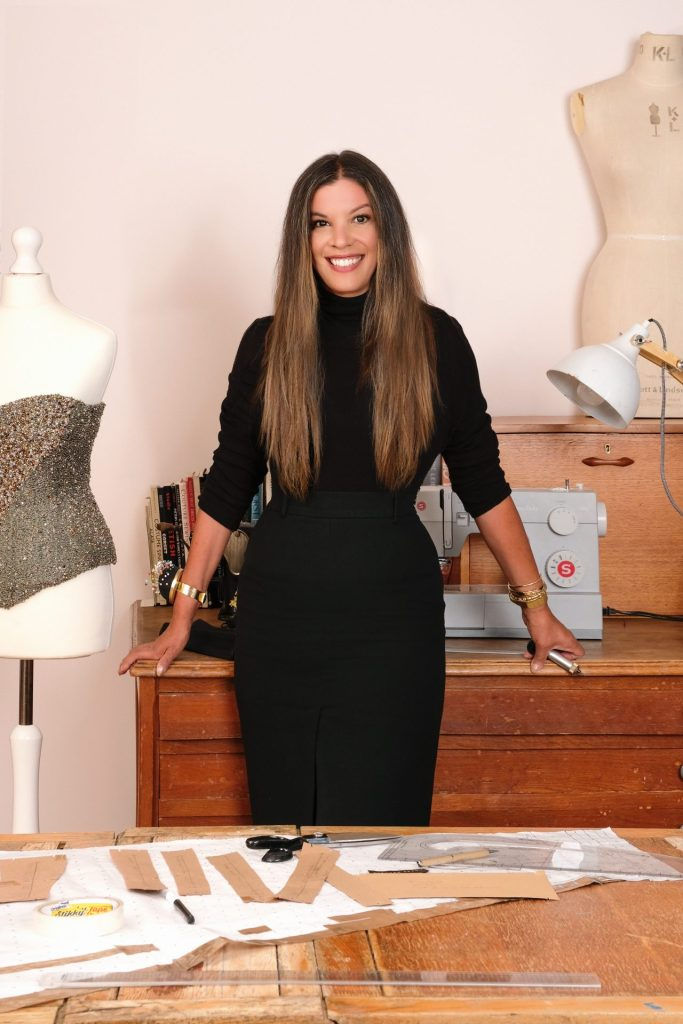
It is within this landscape that the FundHerShip grant was created. Founded by Nanna Soenya, the platform offers a monthly £10,000 grant to Black and brown women with business ideas or existing businesses in the growing stage. Unlike traditional grant schemes, FundHerShip is self-sustaining, meaning applicants contribute towards a shared funding pot that is then awarded to one recipient each cycle.
Turning Frustration Into a Solution
For Soenya, the idea came from years of personal frustration with funding systems that consistently shut her out. After returning to London during the COVID-19 pandemic, she attempted to launch a project in the UK and quickly realised how difficult it was to access even small amounts of financial support.
“I thought I was the problem,” she says. “I thought the rejections meant I wasn’t good enough.” However, after speaking with other women and attending networking events, she realised her experience was not isolated. Many Black and brown women were struggling to secure funding, often without understanding why.
For Soenya, the issue is systemic rather than individual. “The system that was built in this country did not take into consideration a large immigrant population that would need a different kind of support,” she explains.
Rather than continuing to seek approval from institutions she felt were not designed with women like her in mind, Soenya decided to create an alternative model. Inspired by the Amber Grant in the United States, FundHerShip removes many of the restrictions commonly attached to traditional funding opportunities. Applicants are not expected to present polished corporate language or fit narrow ideas of what a business should look like.
Building FundHerShip
Before officially launching the grant in June 2025, Soenya tested whether there was real demand. She opened a free waitlist and began posting organically on TikTok, asking Black and brown women whether they would be interested in a funding platform created specifically for them.
The response quickly exceeded expectations. Thousands joined the waitlist within months, confirming how many women were actively searching for financial support for their businesses and ideas. For Soenya, it also revealed something deeper about the emotional reality of entrepreneurship for many women.
“So many women kept saying, ‘If I just had 10k, if I just had 10k, I could do my thing,’” she says.
The grant is open not only to established businesses but also to women with early-stage ideas. Applicants answer two questions explaining their project and how the funding would impact them. Their responses are then assessed anonymously through a scoring system designed to account for the realities of minority-led businesses and non-traditional entrepreneurial paths.
Shortlisted applications are reviewed by an advisory panel of seven Black and brown women. The process intentionally combines structured evaluation with human judgement, acknowledging that people naturally connect with certain stories, experiences, and visions.
More Than Just Funding
Alongside FundHerShip, Soenya has also developed platforms focused on collaboration and visibility for women entrepreneurs. One of these is the ConnectionShip, which aims to help women find strategic business partners rather than trying to manage every aspect of entrepreneurship alone. Another platform, BuyHerShip, focuses on helping women sell business assets without facing the same biases often present in traditional acquisition spaces.
Together, the platforms aim to tackle several barriers at once, including a lack of funding, limited networks, and the undervaluing of businesses led by Black and brown women.
Research by the British Business Bank found that 37% of Black female business owners made no profit last year, compared to 16% of White male business owners. Reflecting how difficult long-term business sustainability can be without equal access to resources and support.
For Soenya, this is exactly why platforms like FundHerShip, BuyHerShip and ConnectionShip are necessary. Rather than waiting for traditional systems to become more inclusive, she believes Black and brown women should be building alternative support systems that understand their realities from the beginning.
What Winning Actually Meant
For many recipients, the emotional impact of receiving funding was just as significant as the money itself. In a video shared on Nanna Soenya’s Instagram page, March recipients Karyn Kobi Jackson and Nana Esi Sarfo described feeling shocked after years of unsuccessful applications. “We applied for so many grants,” Jackson said. “I just didn’t think we were gonna get it.”
Sarfo admitted she initially struggled to believe the call was even real. “I literally stalked the Instagram like, are we sure this is real?” she said. “I know we’ve spoken to the lady, I know she sent all the emails, but are we actually sure?”
The pair explained that after “three, four years” of trying to secure funding, FundHerShip was the first opportunity that had resulted in tangible support. “We were just so shocked that it’s actually the smaller grant that we won,” Jackson said. “Someone really believes in the idea.”
Their reaction reflects the wider reality many Black women entrepreneurs face: not simply struggling to start businesses, but struggling to access the financial backing that allows ideas to survive long enough to grow.
The Problem With Saying “Just Start”
“Just starting is a fool’s game,” she says. “Not everybody can just start.” While the advice is often presented as motivational, she recognises that it ignores the realities many women face, particularly Black and brown women, in terms of balancing work, caregiving responsibilities, and financial pressure.
The role money plays in business success is reflected in data by the British Business Bank, which found that 87% of entrepreneurs earning over £75,000 made a profit, compared to 76% of those earning under £20,000. For Black women, who already face both racial and gender pay disparities, building a business without financial backing can become even more difficult.
Instead, she believes aspiring entrepreneurs need realistic advice grounded in strategy rather than optimism alone. Research, market analysis, and understanding available resources are all essential before launching a business. According to Soenya, many people are encouraged to pursue entrepreneurship without fully understanding the financial and structural realities involved.
“You need to research your competitors. You need to understand whether your idea is actually viable,” she explains. “Your business is not going to work on hopes and dreams.” “Hopes and dreams are important, but that's not how things work.”
Her perspective challenges the increasingly romanticised image of entrepreneurship promoted online. While social media often frames business ownership as accessible to anyone with determination, Soenya believes this narrative can become harmful when it ignores systemic inequality and material limitations.
At the same time, she does not discourage ambition. Instead, she encourages women to think strategically about the resources they already have access to, whether that means using AI tools, leveraging social media, or finding collaborators rather than trying to build entirely alone.
Creating Alternative Pathways
In many ways, FundHerShip represents more than a grant. It reflects a wider shift towards community-led solutions created by people who understand the barriers firsthand. Rather than waiting for institutional systems to change, initiatives like this attempt to create alternative pathways for women who have historically been overlooked.
For Black and brown women with ideas that have been sitting untouched due to a lack of confidence, support, or funding, platforms like FundHerShip may offer something many traditional institutions have not: the feeling that they are being considered at all.
Comments